Introduction
Grading strategies for sloped buildings can be a challenging job, especially for those that are new to land management or construction. When it concerns preparing and leveling unequal terrain, the ideal techniques and equipment can make all the distinction in between a successful project and a pricey failure. Whether you're considering land clearing, bush hogging, or participating in more customized tasks such as forestry mulching, recognizing the grading process is essential.
In this guide, we'll delve into numerous grading approaches customized specifically for sloped residential properties. We will check out vital devices like excavators and skid steers, discuss usual obstacles in grading, and give understandings on efficient dirt work methods. By the end of this short article, you'll have a thorough understanding of just how to effectively grade sloped properties.
Grading Approaches for Sloped Residences: What You Required to Know
Understanding Sloped Properties
What Specifies a Sloped Property?
A sloped residential or commercial property has varying elevations, presenting distinct difficulties for construction and landscaping. These slopes can range from mild slopes to high hills, impacting drainage, accessibility, and functionality of the land. Normal problems consist of disintegration control, water drainage administration, and guaranteeing security throughout construction.
Common Uses of Sloped Properties
Sloped residential or commercial properties typically offer several purposes:
- Residential homes Agricultural land Recreational areas Commercial development sites
Understanding the intended use your residential or commercial property will certainly lead decisions pertaining to grading strategies.
The Relevance of Grading in Land Development
Why Is Grading Necessary?
Grading is critical for several reasons:
- Ensuring appropriate drainage Preventing dirt erosion Enhancing accessibility Creating functional space
Failure to quality correctly can lead to considerable issues down the line, consisting of flooding and structural instability.
How Does Grading Influence Landscaping?
Proper grading improves landscaping efforts by guaranteeing that water moves far from foundations and encourages healthy plant development. It allows for far better watering systems by stopping merging or runoff that might harm plant roots.
Tools and Tools Made use of in Grading
Excavators: The Workhorse of Grading
Excavators are invaluable when it concerns relocating large amounts of soil swiftly. They come outfitted with numerous attachments appropriate for various soil problems and jobs:
- Buckets for excavating and scooping Rakes for leveling surfaces Grapples for taking care of debris
Using an excavator efficiently needs ability; it's important to recognize how to run this equipment safely.
Skid Guides: Versatile Machines
Skid guides are smaller than excavators however unbelievably versatile. They are ideal for tight rooms where bigger machines can not steer easily. Their add-ons include:
- Graders Augers Forks
Their compact size makes them perfect for domestic jobs where area is limited.
Dirt Job Fundamentals
Defining Dirt Work
Dirt work encompasses all activities related to moving or manipulating earth products. This consists of digging, transporting, filling up, leveling, and condensing soil on-site.
Key Parts of Effective Dirt Work
Site Assessment: Understand the status quo before starting. Soil Testing: Figure out soil type and suitability. Plan Development: Create a detailed plan detailing certain grading requirements. Execution: Carry out the strategy utilizing proper machinery.Each part plays an important function in accomplishing successful results.
Assessing Your Site Before Beginning Grading
https://anotepad.com/notes/2p8cd2tgConducting a Topographical Survey
Before you start any kind of grading tasks, carrying out a topographical survey is necessary. This survey offers info about existing elevations, slopes, drain patterns, and prospective challenges like trees or huge rocks that might call for forestry mulching or land clearing techniques.
Identifying All-natural Drainage Patterns
Understanding natural water drainage patterns helps inform your grading approach:
- Will water circulation towards your foundation? Are there low areas prone to flooding?
By answering these questions in advance, you can tailor your grading approach accordingly.
Choosing The Right Grading Strategy
Leveling Strategies For Various Slopes
There are different leveling strategies relying on the intensity of your slope:
Cut-and-Fill Approach: Removing excess soil from higher locations and using it to load reduced spots. Benching: Producing level actions on high slopes. Terracing: Building level platforms along the slope which decreases disintegration threat while making best use of functional land area.Selecting the right approach hinges on site-specific factors such as dirt type and meant use of the land.
Managing Disintegration During The Grading Process
Erosion Control Measures
Erosion control is paramount when working with sloped buildings as a result of runoff difficulties:
Install silt fencings around rated areas. Utilize mulch blankets on revealed soil surfaces. Implement plants cover post-grading as soon as possible.These measures help decrease soil variation during rains occasions while boosting ecological strength long-lasting.
Best Practices For Devices Operation
Safety First in Equipment Operation
Operating hefty machinery positions intrinsic threats; always make certain safety and security procedures are adhered to:
Use individual protective tools (PPE). Conduct pre-operation look at machines. Maintain clear communication amongst team members operating together with hefty devices like excavators or skid steers.Adhering purely to security guidelines not just protects workers however additionally guarantees task success without unnecessary hold-ups as a result of accidents or injuries.
Regular Upkeep Look at Equipment
Regular maintenance protects against malfunctions during crucial phases:
Check liquid degrees frequently (oil & & hydraulic liquids). Inspect tires/track problems regularly. Keep attachments clean after each usage (especially if collaborating with dust).Implementing these practices fosters long life in your machinery financial investments while lessening unforeseen downtime prices associated with repairs or substitutes later down the line!

Environmental Considerations In Grading Strategies
Impact On Regional Ecosystems
Grading can dramatically modify regional ecological communities; hence it's essential to consider environmental effects before starting job:
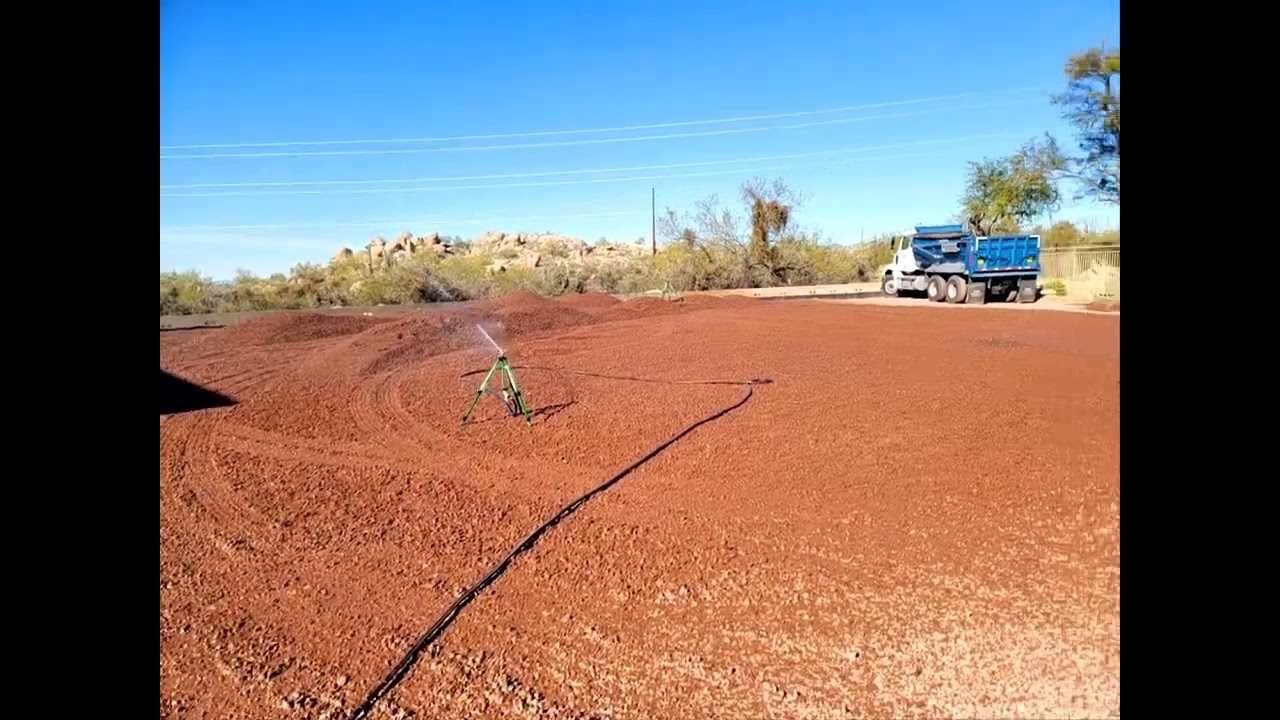

Maintaining ecological equilibrium needs to continue to be front-of-mind throughout every task's lifecycle-- from planning via execution!
FAQs about Grading Approaches for Sloped Properties
Q1: What is the most effective equipment for grading sloped properties? A1: The most effective devices consists of excavators for hefty training and earthmoving jobs along with skid guides which succeed at adaptability within tighter spaces-- both qualified choices relying on work requirements!
Q2: Just how do I protect against disintegration throughout grading? A2: Making use of silt fences around sites in addition to mulch blankets substantially reduces disintegration threats while maintaining subjected dirts steady till greenery covers establish themselves once more-- implement these methods early!
Q3: Is it required to employ professionals for grading sloped properties? A3: While some DIY enthusiasts may take on small jobs independently numerous benefit exceptionally from professional knowledge particularly worrying large-scale tasks entailing hefty equipment due intricacy included-- an expense worth taking into consideration offered potential mistakes dealt with otherwise!
Q4: What are some typical blunders made during grading? A4: Typical mistakes consist of ignoring all-natural water drainage patterns failing adequately evaluate website problems ahead of time overlooking recurring upkeep needs leading inevitably harmful impacts long-term results general task objectives!
Q5: Can I utilize forestry mulching instead of conventional land clearing methods? A5: Absolutely! Forestry mulching offers an eco-friendly alternative compared typical approaches-- it leaves root systems undamaged advertising healthier ecological communities even after removing unwanted greenery happens successfully paving method future developments seamlessly!
Q6: Just how do I guarantee my rated website will drain pipes properly? A6: Focus on evaluating all-natural drainages developing contours routing water flow away from structures making use of swales terraces properly taking care of possible flooding scenarios securing integrity surrounding framework over time!
Conclusion
In conclusion, implementing reliable grading techniques for sloped residential properties needs careful planning backed by knowledge regarding readily available devices such as excavators and skid guides while prioritizing environmental management throughout every phase entailed-- from site analysis via execution completion! By leveraging best methods detailed above-- including normal upkeep checks keeping an eye on recurring conditions-- all stakeholders can achieve successful results making certain enduring benefits stemmed from well-executed dirt work tasks across varied landscapes alike!